

The EU's F-Gas Regulation (Regulation (EU) 2014/516) continues to drive significant changes in the chiller industry in 2025, accelerating the transition to low-GWP (Global Warming Potential) refrigerants. The latest phase-down schedule mandates a 67% reduction in HFC (hydrofluorocarbon) quotas compared to 2015 levels, pushing manufacturers and end-users to adopt alternative solutions.
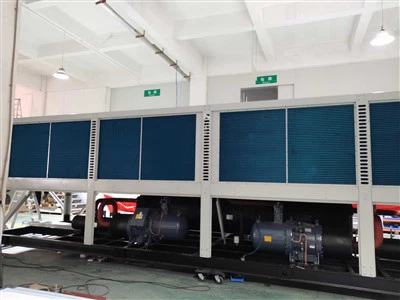
R32 and R290 have emerged as the leading alternatives in commercial and industrial chiller applications. Market data shows that the adoption rate of R32-based chillers in Europe has reached 45% in 2025, while R290 systems are gaining traction in small to medium-sized units due to their ultra-low GWP (3) and high energy efficiency. However, safety standards for flammable refrigerants have been updated, requiring enhanced leak detection systems and ventilation requirements in equipment rooms.
Chinese chiller exporters are actively adapting to the regulatory changes by obtaining EU ATEX and CE certifications for low-GWP models. Leading manufacturers have invested in dedicated production lines for R32/R290 chillers, with product energy efficiency reaching EU Tier 3 standards. The export volume of low-GWP chillers from China to Europe increased by 32% in the first half of 2025 compared to the same period last year.
The transition also brings opportunities for technological innovation. Inverter-driven compressors paired with low-GWP refrigerants have achieved 15-20% higher energy efficiency than fixed-speed systems. Heat pump water heaters integrated with chiller systems are gaining popularity in commercial buildings, enabling combined cooling and heating applications that reduce overall energy consumption by up to 25%.