

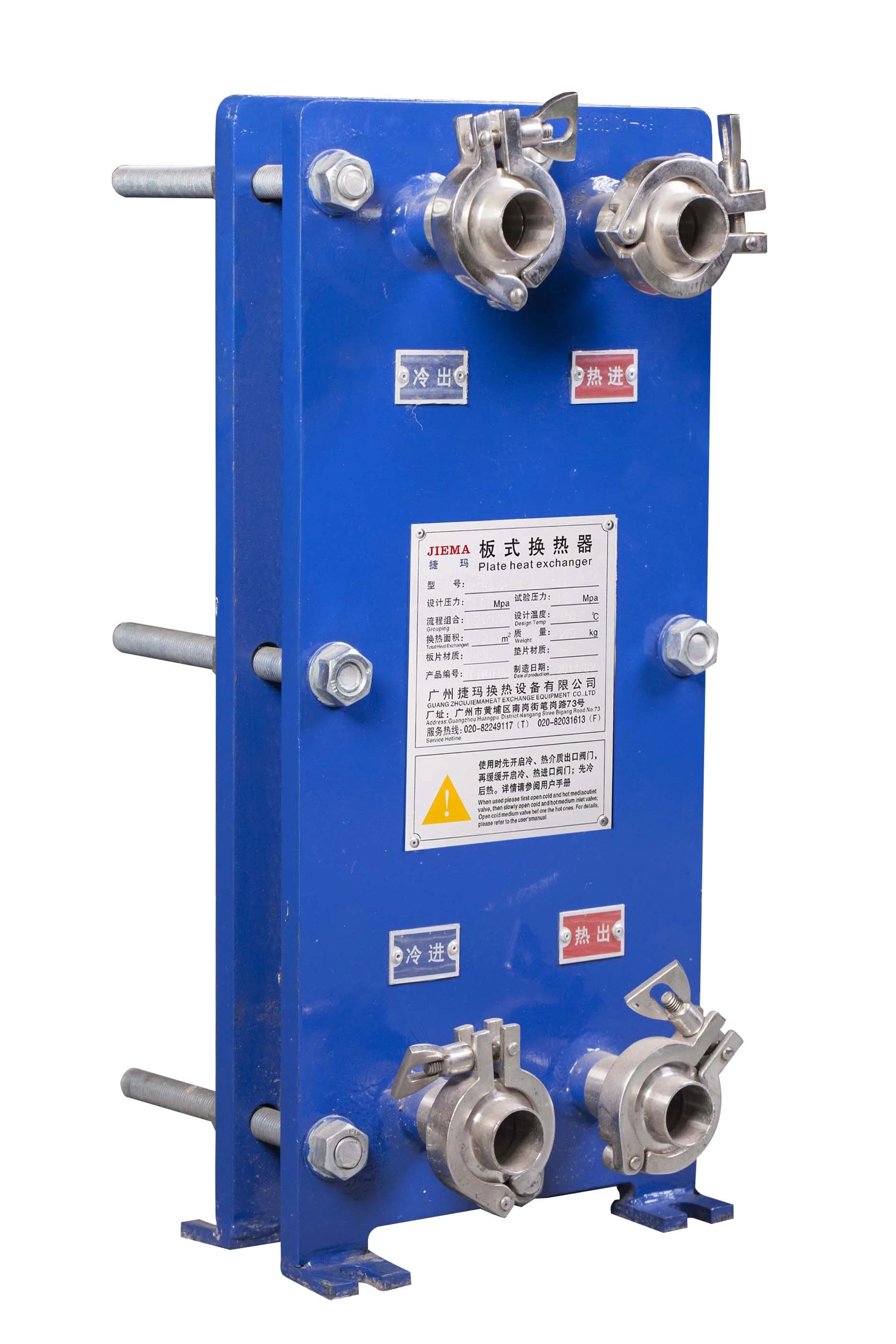
Heat exchanger&Paper
Paper and heat exchanger
The paper production process is a complex and intricate system that involves various stages and components. One crucial component of this system is the heat exchanger, which plays a vital role in maintaining the temperature of the pulp during the production process. In this blog, we will explore the paper production process and the critical role of heat exchangers in this industry.
Cooking of the pulp
The paper production process begins with the collection of waste paper that is sorted, cleaned, and processed into pulp. The next stage involves the cooking of the pulp in a digester, where it is chemically treated to break down the fibers and remove impurities. After cooking, the pulp is washed with water to remove residual chemicals. This process is known as pulp bleaching, which enhances the color of the paper.
Papermaking process
The next stage in the paper production process is the papermaking process. Pulp is diluted with water to make a slurry, which is then poured onto a wire mesh. This wire mesh is a critical component of the papermaking process as it determines the texture and thickness of the paper. The slurry is then passed through various rollers, which remove water and compress the fibers to form a sheet of paper. After the paper has been formed, it is passed through a series of drying cylinders to remove any remaining moisture.
Heat exchange
The heat exchanger plays a crucial role in the paper production process by regulating the temperature of the pulp. The digester, in particular, requires precise temperature control to ensure the proper chemical reactions take place. Heat exchangers are used to heat and maintain the temperature of the cooking liquor, thus ensuring consistent quality of the pulp. Furthermore, heat exchangers are also used in the drying process, where they are employed to heat the air that is used to dry the paper.