

Commonly used treatment methods include recycling and harmless treatment.
Recycle and re-use:
◆ Waste water can be recycled and reused according to the characteristics of water quality, such as the diversion of bleaching and smelting wastewater and dyeing and printing wastewater. The former can be washed by convection. One water can be used for multiple purposes to reduce discharge;
◆ Recycling of lye, usually by evaporation method, if the amount of lye is large, it can be recovered by three-effect evaporation, while the amount of lye is small, it can be recovered by thin film evaporation;
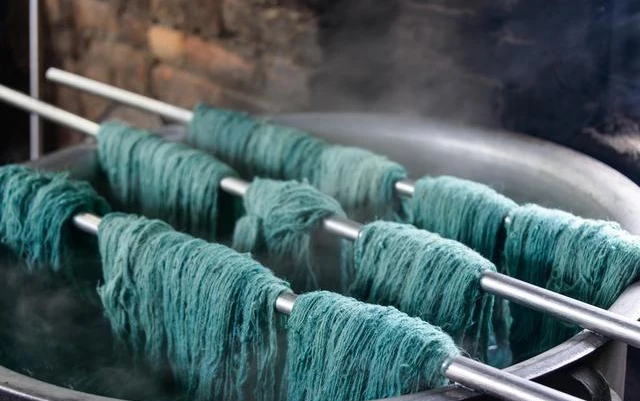
◆ Dye recovery. For example, Shihlin dyes can be acidified into cryptobaric acid, which are colloidal particles. They are suspended in the residual liquid and recycled after precipitation and filtration.
The harmless treatment can be divided into:
◆ Physical treatment methods include precipitation method and adsorption method. The sedimentation method mainly removes suspended solids in wastewater; the adsorption method mainly removes dissolved pollutants and decolorization in wastewater.
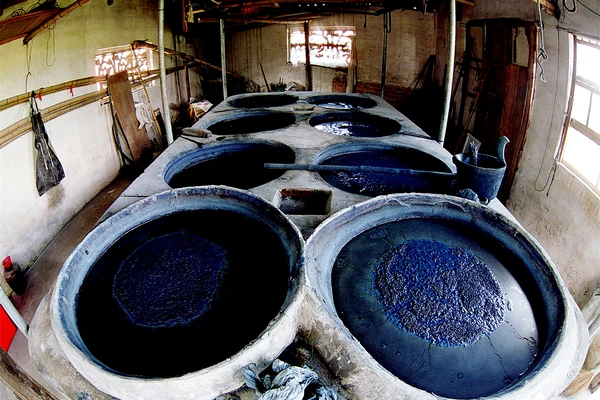
◆ Chemical treatment methods include neutralization method, coagulation method and oxidation method. The neutralization method is to adjust the acidity and alkalinity of the wastewater, and it can also reduce the chromaticity of the wastewater; the coagulation method is to remove disperse dyes and colloidal substances in the wastewater; the oxidation method is to oxidize the reducing substances in the wastewater to precipitate the sulfur dyes and vat dyes.
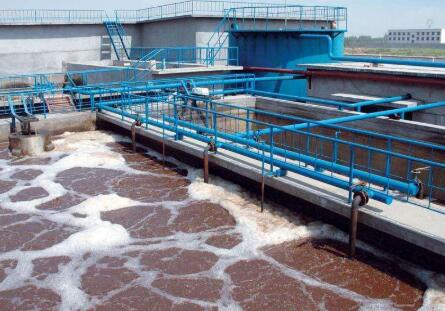
◆ Biological treatment methods include activated sludge, biological turntable, biological rotary drum and biological contact oxidation method. In order to improve the quality of effluent water, it is often necessary to adopt several methods for joint treatment to meet the discharge standards or recycling requirements.