

Due to the difference in chemical composition between the two, their corrosion resistance is different. Ordinary stainless steel is generally not resistant to chemical media corrosion, while acid-resistant steel is generally non-corrosive. The term "stainless steel" not only refers to a single type of stainless steel, but also refers to more than one hundred industrial stainless steels. Each stainless steel developed has good performance in its specific application field. The key to success is to understand the purpose first, and then determine the correct steel grade. There are usually only six steel grades related to the application of building construction. They all contain 17-22% chromium, and better steel grades also contain nickel. The addition of molybdenum can further improve the atmospheric corrosion, especially the corrosion resistance of chloride-containing atmosphere.
Commonly used stainless steel models are often represented by digital symbols. There are 200 series, 300 series, and 400 series. They are expressed in the United States, such as 201, 202, 302, 303, 304, 316, 410, 420, 430, etc. The Chinese stainless steel models are It is indicated by element symbols plus numbers, such as 1Cr18Ni9, 0Cr18Ni9, 00Cr18Ni9, 1Cr17, 3Cr13, 1Cr17Mn6Ni5N, etc. The numbers indicate the corresponding element content.

200 series: chromium-nickel-manganese austenitic stainless steel
300 series: chromium-nickel austenitic stainless steel
304: 18/8 stainless steel. The GB grade is 0Cr18Ni9. 309: It has better temperature resistance than 304.
304L: It is a variant of 304 stainless steel with lower carbon content. It is used where welding is required. The lower carbon content minimizes the precipitation of carbides in the heat-affected zone near the weld, and the precipitation of carbides may cause stainless steel to produce intergranular corrosion (welding erosion) in certain environments.
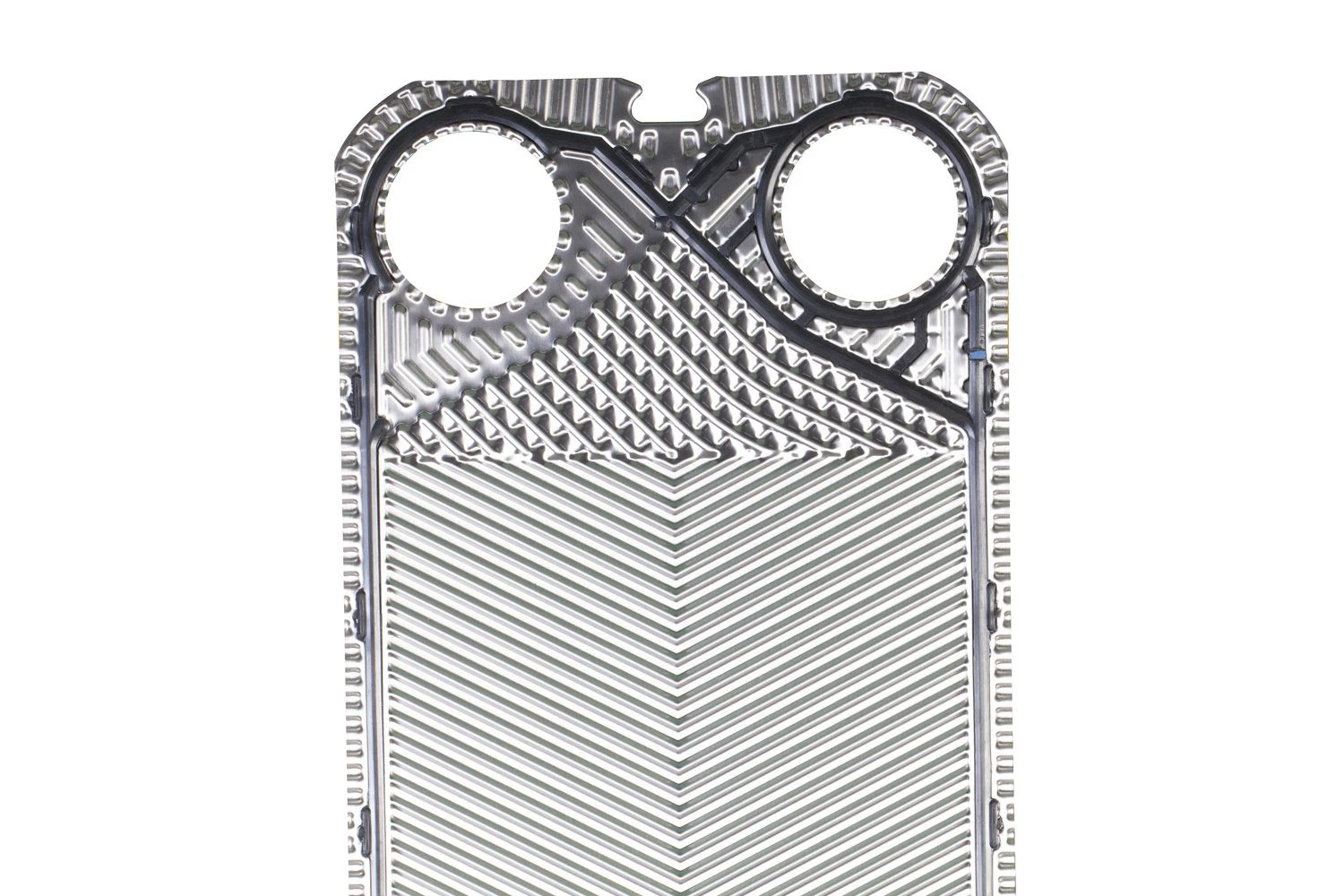
tranp's stainless steel plates
316 and 317: Contain aluminum, so the pitting corrosion resistance in marine and chemical industrial environments is much better than 304 stainless steel. Among them, the 316 stainless steel variants include low-carbon stainless steel 316L, nitrogen-containing high-strength stainless steel 316N, and free-cutting stainless steel 316F with a higher amount of sulfur.
The sulfur content of steel must not exceed 0.05%; the phosphorus content of general steel is limited to less than 0.04%.
Therefore, the sulfur and phosphorus content is an important indicator, and carbon structural steel and high-quality carbon structural steel are divided according to it:
Sulfur and phosphorus content does not exceed 0.04% steel, called high-quality steel;
Steel with a sulfur content of not more than 0.03% and a phosphorus content of not more than 0.035% is called high-quality steel;
The steel whose sulfur and phosphorus content does not exceed 0.025% is called super quality steel.