

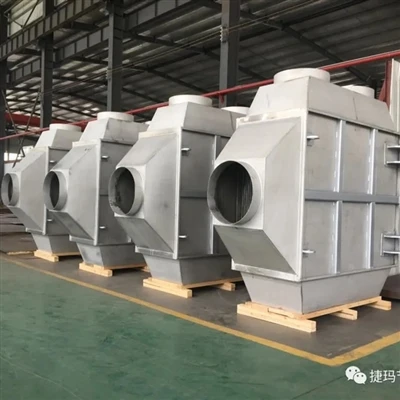
Heat Exchanger and Environmental Protection
As the world becomes increasingly aware of the urgent need to address environmental concerns, governments and organizations are implementing policies aimed at reducing carbon emissions and promoting sustainability. One area in which these policies have had a significant impact is the field of heat exchange technology.
Heat exchangers are devices used in a wide range of industries, from power generation to refrigeration, to transfer energy between fluids. While heat exchangers have traditionally been designed with the primary goal of maximizing efficiency and performance, environmental regulations have led to a shift toward designs that prioritize sustainability and reduced environmental impact.
What is the role of heat exchanger on environmental protection?
Eco-friendly Refrigerants
One example of this shift is the development of heat exchangers that use more eco-friendly refrigerants, such as hydrofluorocarbons (HFCs) and ammonia, instead of traditional refrigerants like chlorofluorocarbons (CFCs) and hydrochlorofluorocarbons (HCFCs). These newer refrigerants have a reduced impact on the ozone layer and are less harmful to the environment, making them a better choice for organizations looking to reduce their carbon footprint.
Heat Recovery System
Another way in which environmental policies are impacting heat exchanger design is through the use of heat recovery systems. These systems allow excess or waste heat to be captured and reused, reducing energy consumption and greenhouse gas emissions. In some cases, such as in the food processing industry, heat recovery can also provide additional benefits, such as reducing waste and improving product quality.
Overall, it is clear that environmental policies are having a significant impact on the design and operation of heat exchangers. By promoting sustainable practices and reducing environmental impact, these policies are helping to create a more sustainable future for industries that rely on heat exchange technology. As organizations continue to adapt to these changing regulations, we can expect to see further innovations in heat exchanger design that prioritize both performance and sustainability.