

� What are the applications of biological treatment in wastewater treatment projects?
Biological treatment is the most widely used and most practical technology in wastewater treatment projects in two categories: one is called activated sludge method, and the other is called biofilm method. The activated sludge method is a form of aerobic wastewater treatment by the biochemical metabolism of suspended biological groups.During the growth and reproduction of microorganisms, a large surface area can be formed. It can flocculate and adsorb a large number of suspended colloidal or dissolved pollutants in wastewater, and absorb these substances into the cell body. With the participation of oxygen, These substances are completely oxidized to release energy, CO2 and H2O. The sludge concentration of the activated sludge method is generally 4g/L. In the biofilm method, microorganisms attach to the surface of the filler to form a biofilm connected by glue. Biofilms generally have a fluffy flocculent structure with many micropores and a large surface area, which has a strong adsorption effect, which is conducive to the further decomposition and utilization of these adsorbed organic substances by microorganisms.
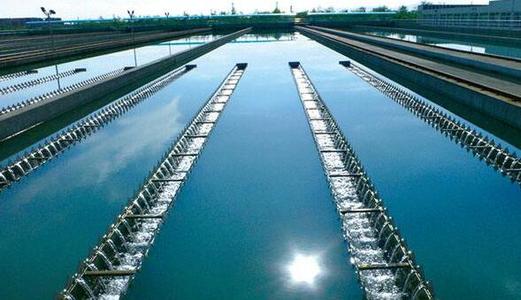
During the treatment process, the flow of water and the agitation of the air make the surface of the biofilm continuously contact the water. The organic pollutants and dissolved oxygen in the wastewater are adsorbed by the biofilm, and the microorganisms on the biofilm continue to decompose these organic substances. At the same time as the organic matter, the biofilm itself is constantly being metabolized. The aging biofilm falls off and the treated effluent is taken out of the biological treatment facility and separated from the water in the sedimentation tank. The sludge concentration of the biofilm method is generally 6-8g/L.
In order to increase the concentration of sludge and improve the treatment efficiency, the activated sludge method and the biofilm method can be combined, that is, fillers are added to the activated sludge tank, this kind of bioreactor with both membrane-hanging microorganisms and suspended microorganisms It is called a composite bioreactor, which has a high sludge concentration, generally around 14g/L.
� What are the similarities and differences between the biofilm method and the activated sludge method?
The biofilm method and the activated sludge method are different reactor forms for biochemical treatment. The main difference from the appearance is that the microbes of the former do not need filler carriers, the biological sludge is suspended, and the microbes of the latter are fixed on the filler. However, they have the same mechanism for treating wastewater and purifying water quality.
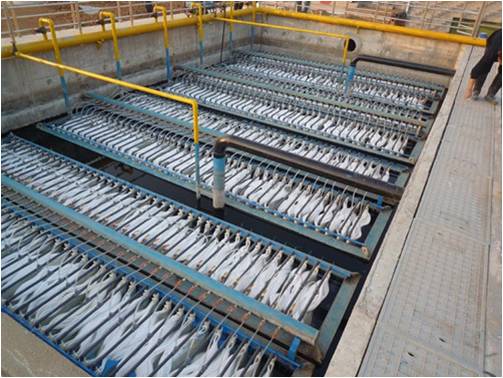
In addition, both biological sludges are aerobic activated sludge, and the composition of the sludge also has certain similarities. In addition, the microorganisms in the biofilm method, because they are fixed on the filler, can form a relatively stable ecosystem, and their living energy and energy consumption are not as large as the microorganisms in the activated sludge method. Sludge is less than the activated sludge method.
� What is activated sludge?
From a microbiological point of view, the sludge in the biochemical pond is a biological group composed of various biologically active microorganisms.
If the sludge particles are observed under a microscope, you can see that there are a variety of microorganisms in it-bacteria, molds, protozoa and metazoa (such as rotifers, insect larvae and worms, etc.), which constitute a food chain , Bacteria and molds can decompose complex organic compounds, obtain the energy necessary for their own activities and construct themselves.
Protozoa feed on bacteria and molds, and are consumed by metazoans. Metazoa can also live directly on bacteria. This kind of flocculent sludge that is full of microorganisms and has the ability to degrade organic matter is called activated sludge.
In addition to being composed of microorganisms, activated sludge also contains some inorganic substances and organic matter adsorbed on the activated sludge that can no longer be biodegraded (that is, metabolic residues of microorganisms).
The moisture content of activated sludge is generally 98-99%. Activated sludge, like alum, has a large surface area, so it has strong adsorption and oxidative decomposition of organics.
� How to evaluate the activated sludge in the activated sludge method and the biofilm method?
Activated sludge method and biofilm method are different in the discrimination and evaluation of activated sludge growth. In the biofilm method, the evaluation of the growth of activated sludge mainly uses a microscope to directly observe the biological phase.
In the activated sludge method, in addition to directly observing the biological phase with a microscope, the commonly used evaluation indicators for evaluating the growth of activated sludge include: mixed liquid suspended solids (MLSS), mixed liquid volatile suspended solids (MLVSS), sewage Sludge settlement ratio (SV), sludge settlement index (SVI), etc.