

Heat exchangers have gained tremendous importance in the field of energy conservation and environmental protection. These devices are widely used in many industries to recover waste heat and reduce pollution. The fundamental purpose of a heat exchanger is to transfer heat between two fluids that are at different temperatures. The transferred heat can be used for various applications, including power generation, space heating, and industrial processes.
Reduce Emissions of Greenhouse Gases
The environmental significance of heat exchangers lies in their ability to reduce emissions of greenhouse gases. For example, fossil-fuel power plants generate large amounts of waste heat that is typically released into the environment through cooling towers and other equipment. This waste heat can be recovered by using heat exchangers to preheat the feedwater that is supplied to the boiler. By doing so, the amount of fuel required to generate the same amount of electricity can be reduced, resulting in lower emissions of greenhouse gases such as carbon dioxide.

Reduce Water Consumption
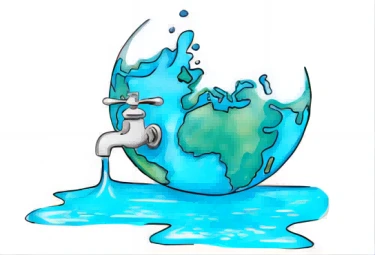
Another environmental benefit of heat exchangers is that they can reduce water consumption. Most heat exchangers require very little water to operate, which makes them ideal for use in water-scarce regions. By using a heat exchanger to recover waste heat, the amount of freshwater required for cooling purposes can be significantly reduced, which in turn reduces the environmental impact of water consumption.
Improve Energy Efficiency
In addition, heat exchangers can also help to improve energy efficiency. By recovering waste heat, the overall efficiency of a system can be increased, which ultimately reduces energy consumption. This is particularly important in industries that consume large amounts of energy, such as the chemical, petrochemical, and manufacturing sectors. Heat exchangers can help to lower operating costs and improve the sustainability of these industries.
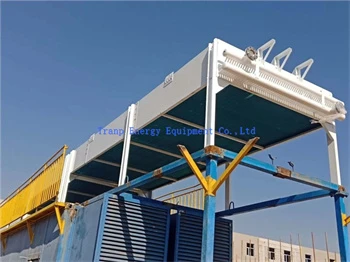

The use of heat exchangers also has economic benefits. By recovering waste heat, companies can reduce their energy costs and improve their bottom line. Heat recovery systems can pay for themselves in a relatively short amount of time, making them a cost-effective solution for energy-intensive industries.
In conclusion, the use of heat exchangers can have a significant impact on the environment, as well as on business operations. These devices can reduce emissions of greenhouse gases, reduce water consumption, and improve energy efficiency. With increasing global concern for environmental protection, companies and industries are increasingly turning to heat exchangers as a key technology for achieving sustainable development goals.