

In recent years, the fluctuation of raw material prices has had a significant impact on industries such as manufacturing and construction. This trend has also affected the production and pricing of essential equipment and machinery used in these industries, especially in the case of heat exchangers.
Heat exchangers play a crucial role in the majority of manufacturing processes. They help regulate temperatures to ensure that critical processes can be carried out efficiently. However, amidst the unpredictability of global commodity markets, the cost of producing heat exchangers has been affected significantly.
The price of raw materials involved in heat exchanger production, such as copper and aluminum, have been particularly volatile in recent years. This has forced many manufacturers to find ways to optimize their operations to minimize costs while still meeting their production needs.
Approach

alternative, less volatile raw materials
One significant approach to addressing this issue is to find alternative, less volatile raw materials. For example, some manufacturers are experimenting with using composite materials in heat exchanger production as a more cost-effective solution. Additionally, some companies have been exploring ways to recycle and reuse raw materials to minimize waste and reduce costs.
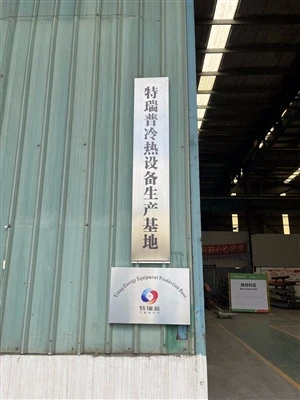
optimize processes and improve manufacturing efficiency
Another approach is to optimize processes and improve manufacturing efficiency to minimize costs while maintaining product quality. This can be achieved through the adoption of new technologies, such as automation, which can reduce the labor costs associated with heat exchanger production. By doing so, manufacturers can address the challenging market conditions while still producing high-quality heat exchangers.