

Industrial wastewater refers to the wastewater and waste liquids discharged in the process of production, which contains industrial production materials, intermediate products, by-products and pollutants generated in the production process, and is an important cause of environmental pollution, especially water pollution.
The water quality characteristics and treatment difficulties of printing and dyeing wastewater, hospital wastewater, electroplating wastewater, paper mill wastewater, tannery wastewater, MSG wastewater, pesticide wastewater, electrophoresis wastewater, washing wastewater, power plant wastewater, printing wastewater, beer wastewater, dairy wastewater, circuit board wastewater, starch wastewater, slaughter wastewater and coking wastewater are introduced separately below. Corresponding supporting treatment process will be introduced to you later.
★ Dyeing wastewater
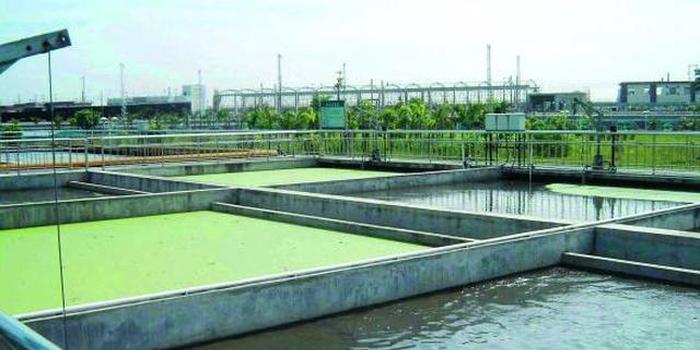
The wastewater from printing and dyeing has the characteristics of large amount of water, high content of organic pollutants, dark color, alkalinity and big change of water quality, and is a kind of industrial wastewater which is difficult to treat. At the pretreatment stage (including searing, desizing, boiling, bleaching and mercerizing), wastewater from desizing, boiling, bleaching and mercerizing is discharged; dyeing process discharges dyeing wastewater; printing process discharges printing wastewater and soap wastewater; and finishing process discharges finishing wastewater. Dyeing wastewater is a mixture of the above-mentioned wastewaters, or comprehensive wastewater other than bleaching wastewater.
★ Hospital wastewater
Hospital wastewater is the discharge of wastewater from hospitals (general, specialized and other types of hospitals) to the natural environment or to city pipes. The quality of the water varies depending on the nature and size of the hospital and the region in which it is located. The amount of sewage discharged per bed per day is about 200-1000L. The main pollutants contained in hospital sewage are: pathogens (parasite eggs, pathogenic bacteria, viruses, etc.), organic matter, floating and suspended solids, radioactive pollutants, etc., and the total amount of bacteria contained in the untreated raw sewage is more than 10^8/mL.
★ Electroplating wastewater
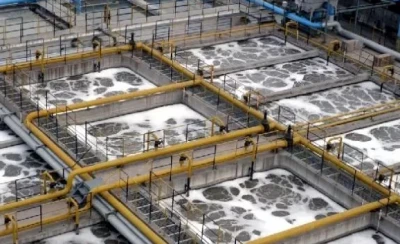
The composition of electroplating wastewater is very complex. In addition to cyanide-containing (CN-) wastewater and acid-base wastewater, heavy metal wastewater is a potentially very damaging category of wastewater for the electroplating industry. Heavy metal wastewater is classified according to the heavy metal elements contained in the heavy metal wastewater, which can be generally divided into chromium (Cr) wastewater, nickel (Ni) wastewater, cadmium (Cd) wastewater, copper (Cu) wastewater, zinc (Zn) wastewater, gold (Au) wastewater, silver (Ag) wastewater and so on.
★ Paper-making wastewater
Paper industry is a high energy consumption, material consumption, one of the serious environmental pollution industry, its pollution characteristics of wastewater emissions, which COD, suspended solids (SS) high content, serious color.
Wastewater treatment to solve the main problem: paper wastewater SS, COD high concentration, COD is composed of non-soluble COD and dissolved COD two parts, usually non-soluble COD accounts for most of the total composition of COD, when the wastewater SS is removed, the majority of non-soluble COD is removed at the same time. Therefore, the main problem to be solved in waste paper and paper wastewater treatment is the removal of SS and COD.
★ Tannery Wastewater
At present, the production of leather industry generally includes several stages such as degreasing, liming, softening, tanning, dyeing, drying, finishing, etc. Many chemicals need to be added in the process, which makes the wastewater contain a variety of pollutants and toxic substances such as grease, collagen, animal and plant fibers, organic and inorganic solids, sulfides, chromium, salts, surfactants, dyes, etc. The water quality characteristics of the leather industry are as follows: CODcr 3000-4000mg/L, BOD5 1000-2000mg/L, SS 2000-4000mg/L, pH 8-11. The water quality characteristics of the integrated wastewater of the leather industry are: CODcr for 3000-4000mg/L, BOD5 for 1000-2000mg/L, SS for 2000-4000mg/L, pH value of 8-11.
The wastewater mainly comes from the pre-tanning preparation, tanning and other wet processing sections. The most polluted wastewater is degreasing wastewater, liming wastewater, and chrome tanning wastewater, which account for about 50% of the total wastewater volume, but contain most of the pollutants. The mass fractions of various pollutants in the total volume are: 80% of CODcr, 5% of BOD, 70% of SS, 93% of sulfides, 50% of sodium chloride, and 95% of chromium compounds.
Tannery wastewater is characterized by the following.
(i) High fluctuations in water quality and quantity.
② good biocompatibility.
(iii) High concentrations of suspended solids, which are perishable and produce high levels of pollution.
④ The wastewater contains toxic compounds such as S2- and chromium.
★ MSG wastewater
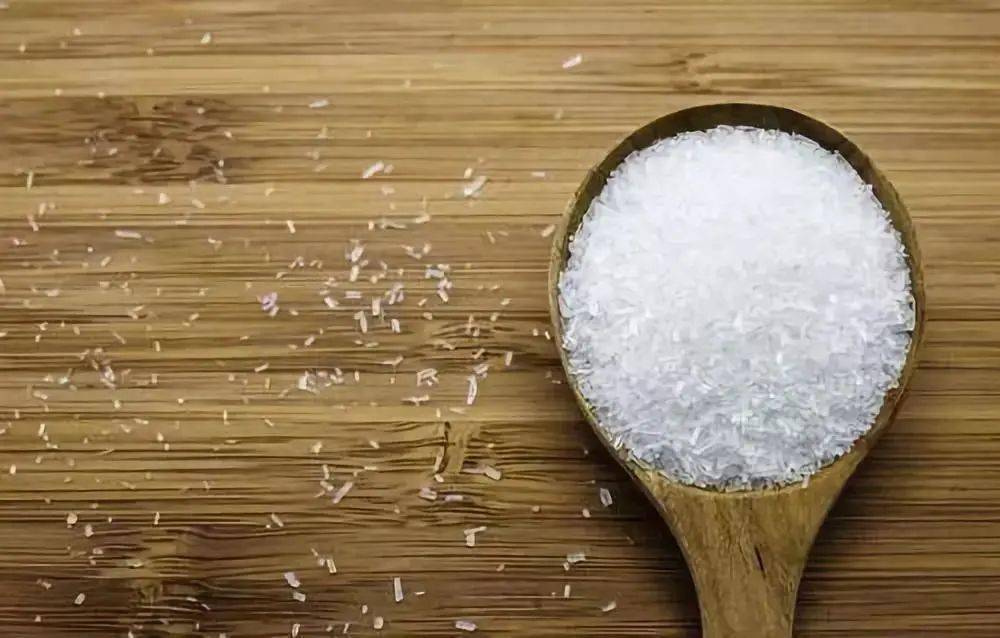
The high concentration of organic wastewater produced in the process of MSG production mainly refers to the mother liquor emitted after the extraction of glutamic acid from the fermentation broth, the water quality of such wastewater has the characteristics of "five high and two low", namely high COD, high BOD, high sulfate, high NH3-N, high bacteria content, low temperature and low pH. An industrial wastewater, bathing wastewater is an important part of municipal wastewater, with high turbidity, low organic content, large volumes of water, and high phosphorus content.
★ Pesticide Wastewater
Pesticide wastewater pollutant concentration is high, COD (chemical oxygen demand) can reach tens of thousands of milligrams per liter; toxicity, in addition to pesticides and intermediates contained in wastewater, but also contains phenol, arsenic, mercury and other toxic substances and many biological substances that are difficult to degrade; a foul smell, irritation to the human respiratory tract and mucous membranes; water quality, water is not stable.
★ Electrophoretic Wastewater
The reason why the waterborne resin of electrophoresis paint can be diluted and dispersed with water is mainly due to the fact that the polymer molecular chain contains a certain number of hydrophilic groups. For example, it contains carboxyl group (-COOH), hydroxyl group (-OH), ether group (-O-), amino group (-NH2), etc. The water-based dispersion resin can be diluted and dispersed by water. According to the different charge of water-disperse resin, it can be divided into anodic electrophoresis paint (or anionic electrophoresis paint) for waterborne resin with carboxyl group (-COOH) and cathodic electrophoresis paint (or cathodic electrophoresis paint) for waterborne resin with amino group (-NH2). electrophoretic properties
Tranp's heat exchanger has been applied into more and more areas, especially our plate heat exchanger, shell and tube heat exchanger and air type heat exchanger.