

★Laundry Wastewater
The main pollutant in laundry wastewater is anionic surfactants, which combine with other pollutants to form dispersed colloidal particles.
(1) Complicated components The anionic surfactant, the main pollutant in wastewater, combines with other pollutants to form certain dispersed colloidal particles, and LAS and other surfactants in wastewater exist in the form of dispersed and colloidal surface adsorption, which has a great influence on the physicochemical and biochemical properties of wastewater.
(2) The water quality of wastewater fluctuates greatly, and the discharge is poorly regulated. Surfactant wastewater is mostly alkaline, with a pH value between 8 and 11, and the content of LAS in wastewater can be as high as a few milligrams per liter, such as lint-washing wastewater, or only a dozen milligrams per liter, such as washing wastewater. At present, the LAS and other anionic surfactant load in the wastewater discharged from the synthetic detergent production plant in China is generally 10-60, and the higher one can reach 135, and the difference of COD can also change from several hundred to tens of thousands or even hundreds of thousands.
(3) Toxicity and harm to water bodies LAS in wastewater itself has a certain degree of toxicity, and has a chronic toxic effect on animals and humans, LAS can degrade the speed of oxygen transfer in water bodies, and in severe cases, it can make water bodies lack of oxygen, corruption, and hinder the self-purification process of water bodies. At high levels of phosphate, it may cause duckweed in the water column.
★Power Plant Wastewater
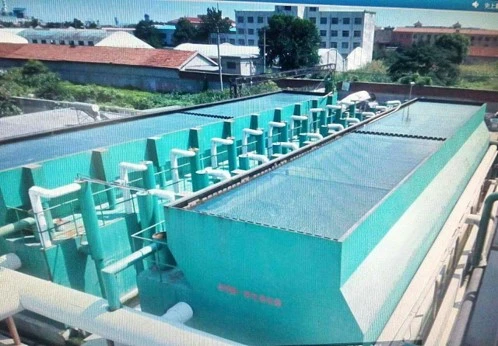
The wastewater from the power plant mainly consists of the following types of rinse water and limewash water. Domestic wastewater Concentrated recycled water, resin regeneration wastewater, mainly containing oil, suspended solids, scale inhibitor, biocide, hardness, ash and high content of salts and some organic substances, high concentration of sulfite, sulfate, fluoride and heavy metals, as well as some heat.
★Printing wastewater
Printing wastewater contains a large number of acrylic macromolecular groups, if not treated directly into the city sewage network into the sewage treatment plant, will have a great impact on the sewage treatment process, destruction of biochemical treatment system, polluting the water environment. The water volume is relatively small, and the CODcr is very high (can reach 20000), there is a certain amount of suspended solids, bacteria and dissolved substances, turbidity and color degree is high.
★Beer Wastewater
Beer wastewater mainly comes from malt workshop (soaking wheat wastewater), saccharification workshop (saccharification, filtering and washing wastewater), fermentation workshop (fermentation tank washing, filtering and washing wastewater), filling workshop (bottle washing, sterilization wastewater and bottle crushing out of the beer) and production cooling wastewater and so on.
Beer industrial wastewater mainly contains sugar, alcohol and other organic substances, organic concentrations are high, although non-toxic, but easy to spoil, discharged into the water to consume a large amount of dissolved oxygen, causing serious harm to the water environment. The water quality and water quantity have some differences in different seasons, and the organic matter content is also at its peak when it is in peak flow. Domestic brewery wastewater: CODcr content: 1000-2500mg/L, BOD5 content: 600-1500mg/L, this wastewater has high biodegradability, and contains a certain amount of Kjeldahl nitrogen and phosphorus.
★Dairy wastewater
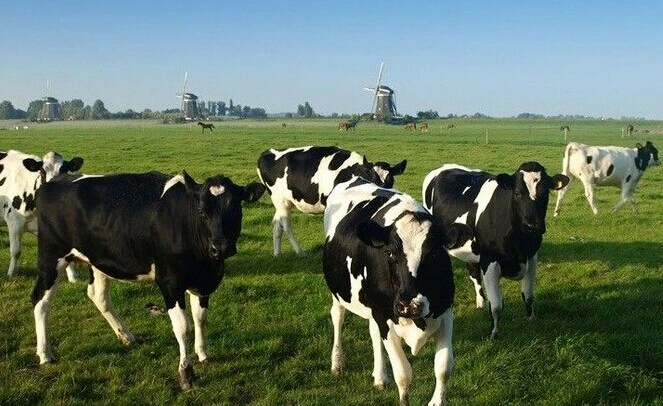
Dairy wastewater is wastewater from the production of condensed milk, cheese, cream, dairy cool drinks, ice cream and dairy snacks. The wastewater mainly comes from the washing water of containers and equipment, and the main component contains raw materials for products. The milk processing plant contains 0.2% raw milk, BOD20-300mg/L, low pollution, while the cheese, cream processing wastewater pollution degree is higher, COD up to 3000 mg/L, BOD up to 2400 mg/L containing total nitrogen (TN) up to 90mg/L, total phosphorus (TP) up to 16 mg/L, containing oil and grease up to 200 mg/L, and the wastewater from the dairy products processing plant is less polluted. Suspended matter is up to 600 mg/L, and raw materials in the wastewater, such as cream and condensed milk, should be recycled as by-products as far as possible and their loss should be reduced in the production process.
The wastewater from cleaning and disinfection of containers, equipment and pipelines in dairy processing constitutes high concentration wastewater, the COD value of which can be more than 20,000mg/L. Generally, it is also more than 5,000mg/L, and the wastewater amount is about 1.0m3 per ton of raw milk processed, which changes with the changes of production varieties, output, factory management and other factors. The wastewater volume varies with the changes of production varieties, output, factory management and other factors. The floor water in the washing workshop and other water (such as office water and domestic water) in the dairy factory constitute low concentration wastewater. Generally, the COD value is less than 10OOmg/L, and every 1 ton of raw milk processed has about 3~4m3 of low concentration wastewater.
Usually, the COD of wastewater discharged from liquid milk and milk powder production enterprises is about 1500-300Omg/L, and the COD of wastewater discharged from yogurt, cream, ice cream, ice-cream, cheese and other dairy product enterprises is generally 4000-7000mg/L.
The main polluting components of dairy wastewater are milk proteins (such as casein and whey protein chips), lactose, milk fat and various minerals contained in raw milk, acids and alkalis used for cleaning equipment, pipes and containers, etc. The pH value of wastewater is generally 6.5-7.0.
★Wastewater from circuit board
Circuit board wastewater in the following categories: general cleaning water, ink wastewater, EDTA copper complex wastewater, copper-ammonia complex wastewater, organic wastewater, fluorine wastewater, high copper wastewater, concentrated acid wastewater, concentrated alkali wastewater and other waste for cylinder liquid. It contains copper, nickel, lead, tin and other heavy metal ions, polymer organic matter, complexing agent, etc., and its heavy metal ions, COD, SS, PH, etc., all exceed the standard, there are many kinds, the pollution composition is complex.
★Starch Wastewater
Starch wastewater mainly comes from corn starch processing washing, filtration, concentration and other processes, wastewater contains a large number of dissolved organic pollutants, such as proteins, sugars, carbohydrates, fats, amino acids, etc., followed by inorganic compounds containing N, P, and also contains a certain amount of volatile acids, ash, etc., is a biochemically good high concentration of organic wastewater, is a high concentration of organic degradation. Wastewater, starch wastewater COD is generally 2500-6000mg/L, SS is 800-1200mg/L.
★Slaughtering wastewater
Slaughter wastewater contains large amounts of blood, grease and hair. It also contains contaminants such as offal debris, undigested food and faeces with an unpleasant blood red and bloody smell, as well as coliform bacteria, which are hazardous to human health. Streptococcus faecalis and other pathogenic bacteria that are hazardous to human health. These wastewaters are characterized by large variations in concentration and high organic content, and discharging them directly into the environment will seriously pollute the water.
★Coking wastewater

Coking wastewater is the wash water, gas wash water, separated water after steam diversion and storage tank drainage from coking and gas plants in the production process. It contains dozens of inorganic and organic compounds. Inorganic compounds are mainly a large number of ammonia salts, sulfur cyanide, sulfide, cyanide, etc., organic compounds in addition to phenols, there are monocyclic and polycyclic aromatic compounds, heterocyclic compounds containing nitrogen, sulfur, oxygen and so on. Serious pollution is a prominent environmental problem in industrial wastewater discharge. Complex composition, high pollutant concentration, high color, high toxicity, very stable nature, is a typical organic wastewater is difficult to degrade.