The textile printing and dyeing industry is a traditional industry with high energy consumption and high emissions. The application of waste heat recovery technology can not only significantly reduce energy costs, but also help enterprises achieve green transformation. This article will explore the practical path of waste heat recovery in the textile printing and dyeing industry from 2 aspects:
- Waste heat sources
- Recovery technology
The key to waste heat recovery is to accurately identify recyclable energy. In the textile printing and dyeing production process, the following six types of waste heat have high recovery value:
If these waste heats are discharged directly, it will not only waste energy, but also aggravate environmental thermal pollution, while efficient recovery can turn waste into treasure.
High-temperature steam condensate water in the dyeing tank
The high-temperature condensate water remaining after dyeing contains a lot of heat energy, which can reduce steam consumption by recycling.
High-temperature Lingshui after dyeing
The wastewater temperature is usually 60-90℃℃, and direct discharge causes energy waste,
High-temperature waste gas after printing drying
The waste gas generated in the drying process has a high temperature and contains recyclable heat energy.
Steam from the steamer
The steam that is not fully utilized in the steaming process can be reused through the recovery system.
High-temperature exhaust gas from the stenter setting machine
The exhaust gas temperature can reach above 150°C, which is a typical high-grade waste heat resource.
Fabric cooling exhaust gas from the calender
The heat released during the cooling process of the fabric can be recovered through heat exchange equipment.
Core technology and equipment for waste heat recovery
At present, textile printing and dyeing enterprises mainly use the following two types of heat exchange equipment to achieve waste heat recovery:

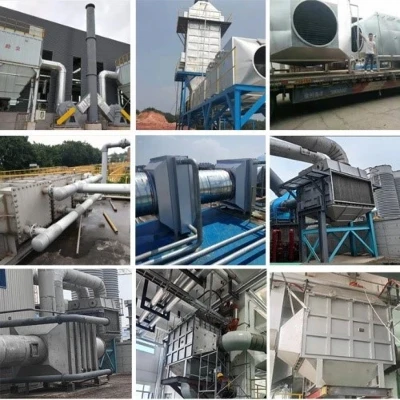
Plate-type air-to-air heat exchanger
It conducts heat through metal plates and is suitable for heat exchange between high-temperature exhaust gas and cold air. It has the characteristics of compact structure and high heat exchange efficiency.
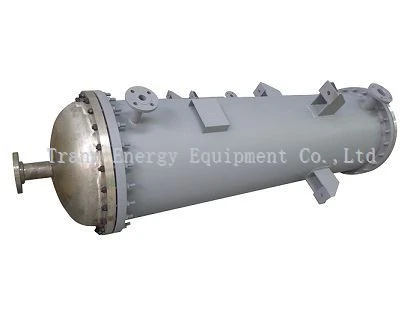
Shell and tube heat exchanger
With tube bundles and sh
ells as the core structure, it is suitable for heat recovery of steam condensate or high-temperature liquid, resistant to high pressure and low maintenance cost.