

We support heat exchangers to users' heating and cooling process.
Spiral plate heat exchanger, for example, is one typical structure for fluids heat transfer. However customers sometimes have question to use which type of spiral structure. In today message, we will present a brief for different configuration and structure of heat exchanger.
HEAT EXCHANGER
at a glance
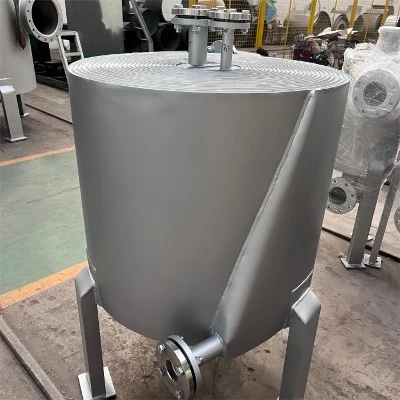
01 Fully-Welded
without Shell
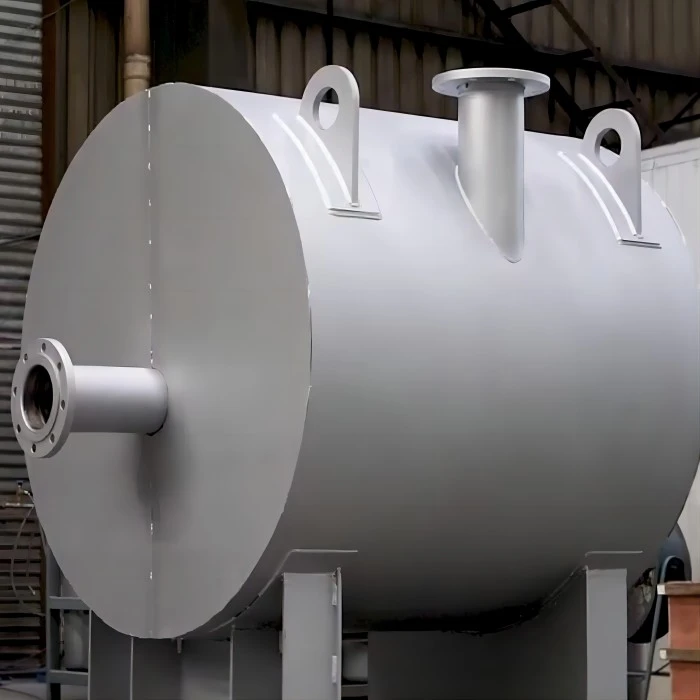
02 Fully-Welded
with Shell
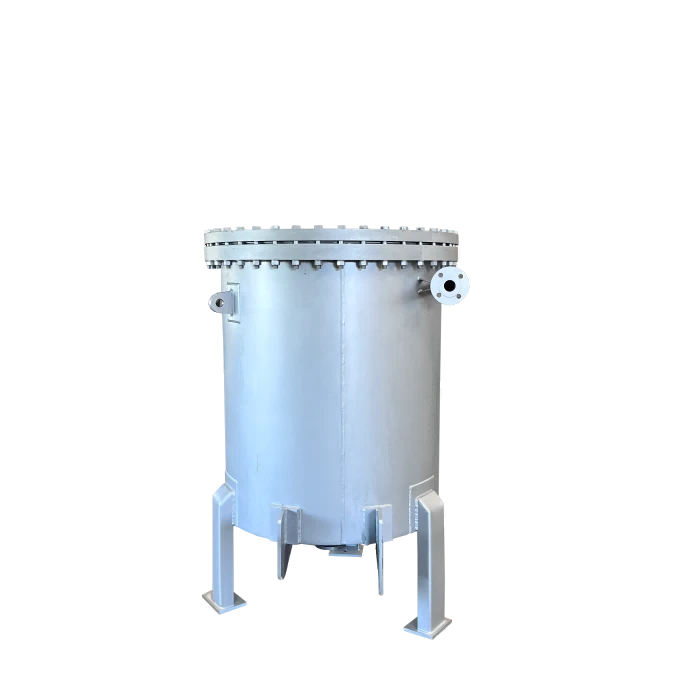
03 Vertical Detachable
Structure
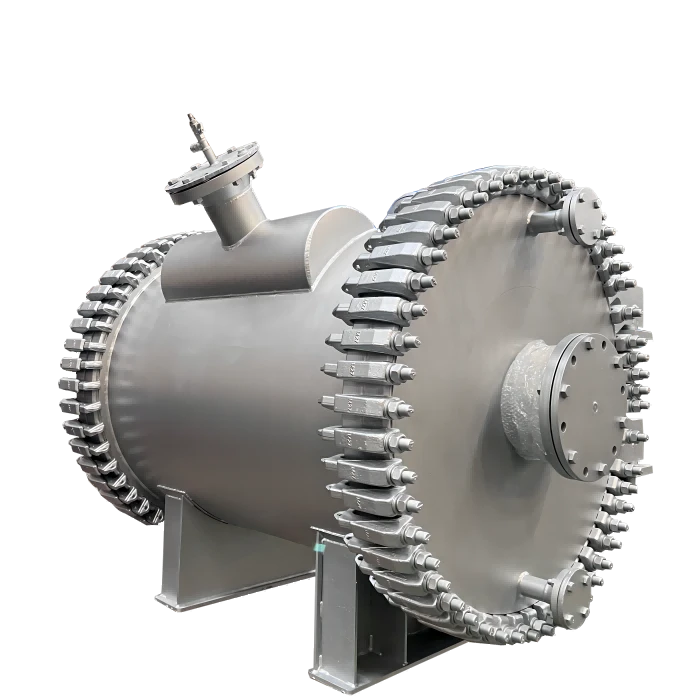
04 Horizontal Detachable Structure
01 Heat Exchanger: Fully-Welded without Shell
Features: Both Channels Welded and Sealed, without Shell, not blind spot to cause germ and dirt accumulation;
Application: Fluids are clean and without impurities or particles, 0.01-0.6Mpa;
Position: Chemical industry overhead condenser, reactor solvent gas condenser, small flow liquid exchanger;
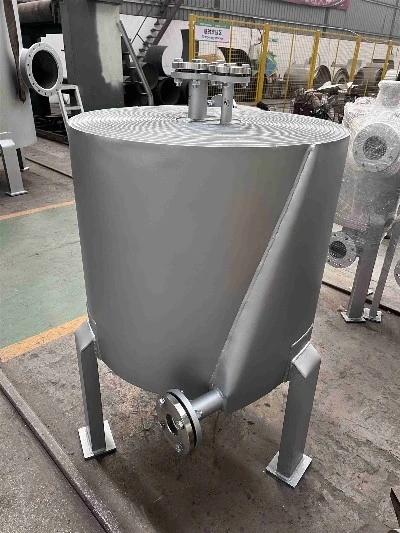
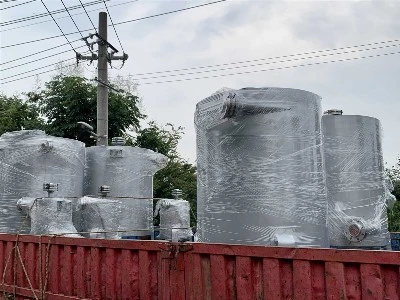
02 Heat Exchanger: Fully-welded with Shell
Features: Both Channels Welded and Sealed, with Shell;
Application: Fluids are clean and without impurities or particles, 0.01-2.5Mpa;
Position: Food industry steam oil heater, chemical industry oil heater, large flow oil-water exchanger;
03 Heat Exchanger: Vertical Detachable Structure
Features: One channel fulled welded, one channel detachable for cleaning;
Application: One side for clean fluid and the other for fluid with impurities, regular cleaning required, 0.01-1.6Mpa;
Position: Waste gas cooler, sewage cooler;
04 Heat Exchanger: Horizontal Detachable Structure
Features: Both Channels detachable for cleaning;
Application: Fluids with impurities and particles, regular cleaning required, 0-1.6Mpa;
Position: Sewage heat recovery preheater, brewery wort heat exchanger, palm oil heat exchanger.
In addition, we have heat exchanger orientation as vertical or horizontal based on worksite pipeline and operation conditions. When it comes to material, spiral heat exchanger could be of a wide selection from carbon steel Q235-B, stainless steel 304, 316, to titanium alloy base material.